In the era of technological advancement and digital transformation, the role of traditional faculties in shaping skills may seem overshadowed. However, there is an enduring charm and efficacy in the methods employed by these educational institutions that stand the test of time. This article delves into the unique skills cultivated by traditional faculties, exploring their time-honored approaches, the impact on holistic development, and the relevance in the contemporary educational landscape.
1. The Art of Critical Thinking:
Foundations of Analytical Minds:
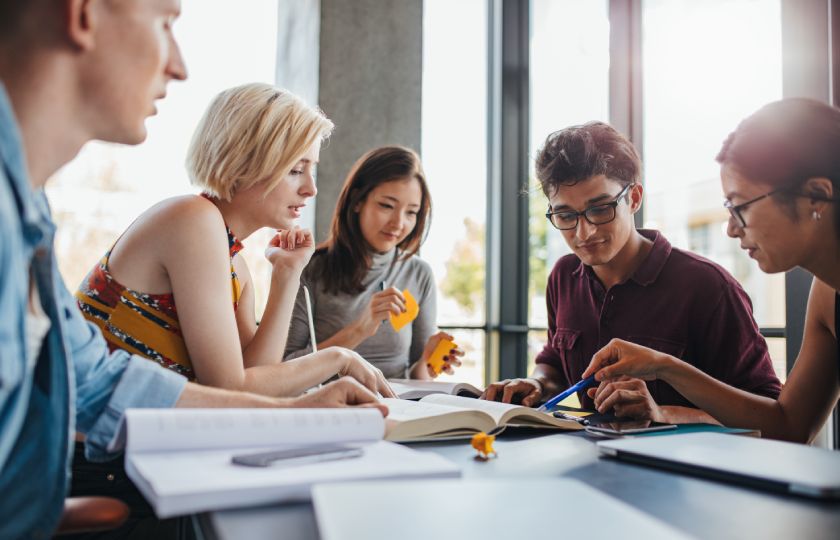
Traditional faculties place a premium on the cultivation of critical thinking skills. The Socratic method, group discussions, and in-depth analyses of classic literature are integral components of education in these institutions. By encouraging students to question, debate, and analyze, traditional faculties lay the foundation for individuals who can navigate complex scenarios with acuity.
Depth Over Breadth:
Rather than a superficial grasp of various subjects, traditional faculties emphasize a deep … Read more
 In Pedagogy of the Oppressed, Paulo Freire talks about what he calls the banking system of education. Matzo is unleavened bread eaten by Jewish people throughout the Passover Holiday. The bread must be baked following sure specs laid out in the Torah. Children study faster when they’re taught with care and kindness. Also nurseries should have entry to good high quality tools which can support them of their studying process. It isn’t necessary to get the biggest and flashiest tools however slightly gear which helps youngsters develop unique skills and explore the world around them.
 Google founders, Larry Web page and Sergey Brin, aren’t only rewarded billions of dollars for their ingenious discovery, , but they have indirectly created the greatest affect on billions of individuals in your entire world right this moment. A key difference between Montessori and conventional education is in the best way the instructing employees views the scholars: Montessori students are considered holistically, with their cognitive, social, psychological and spiritual development considered every day. The lecturers actually know every student and recognize and value the person personalities and presents that each pupil has.